Rubbish Chutes Adelaide
Rubbish Chutes Adelaide
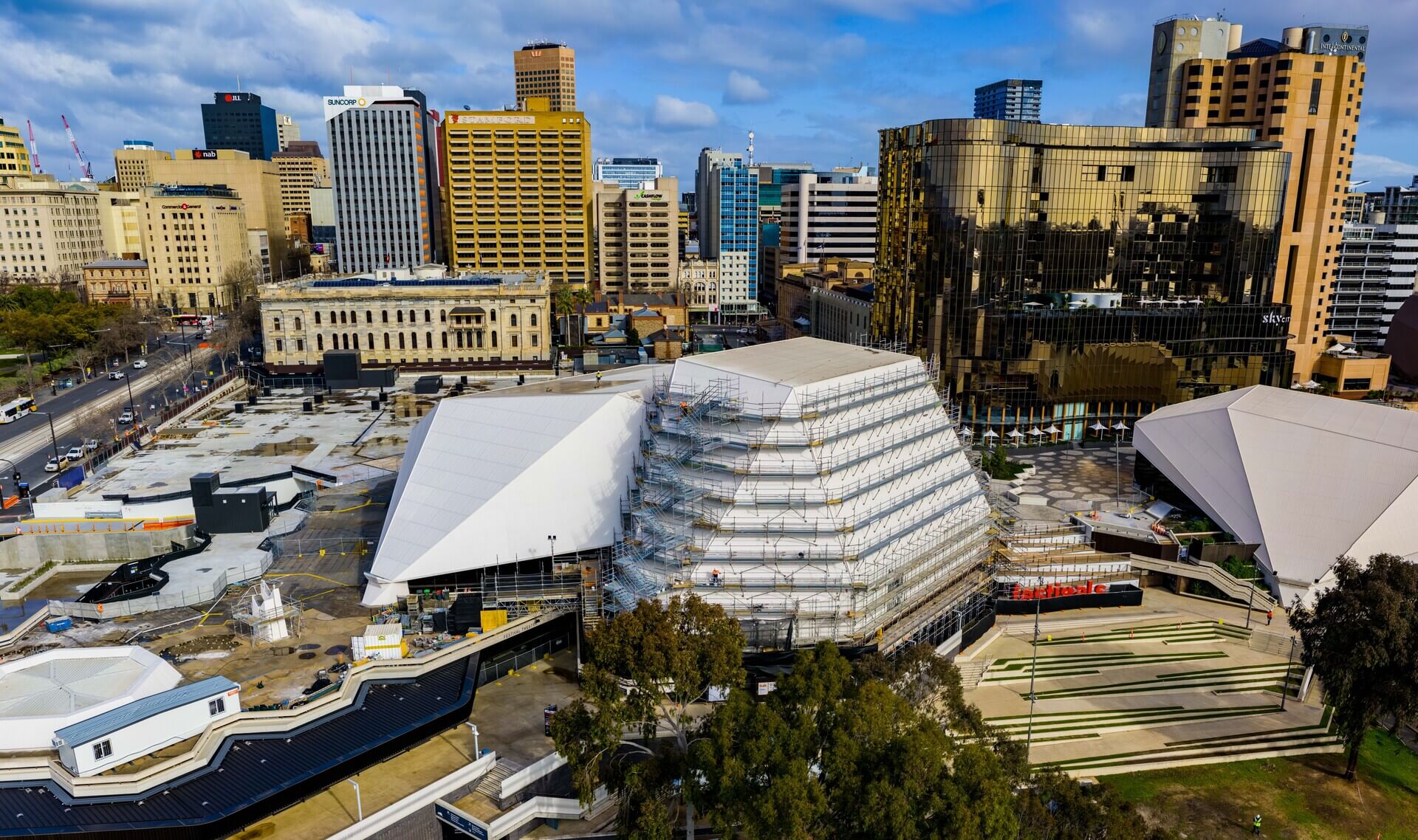
GEDA rubbish chutes and scaffold-built chutes for Adelaide demolition and refurb, from 1 to 20 levels. Integrated with your scaffold from day one. Delivered on the Old Royal Adelaide Hospital.
Recent work in Adelaide
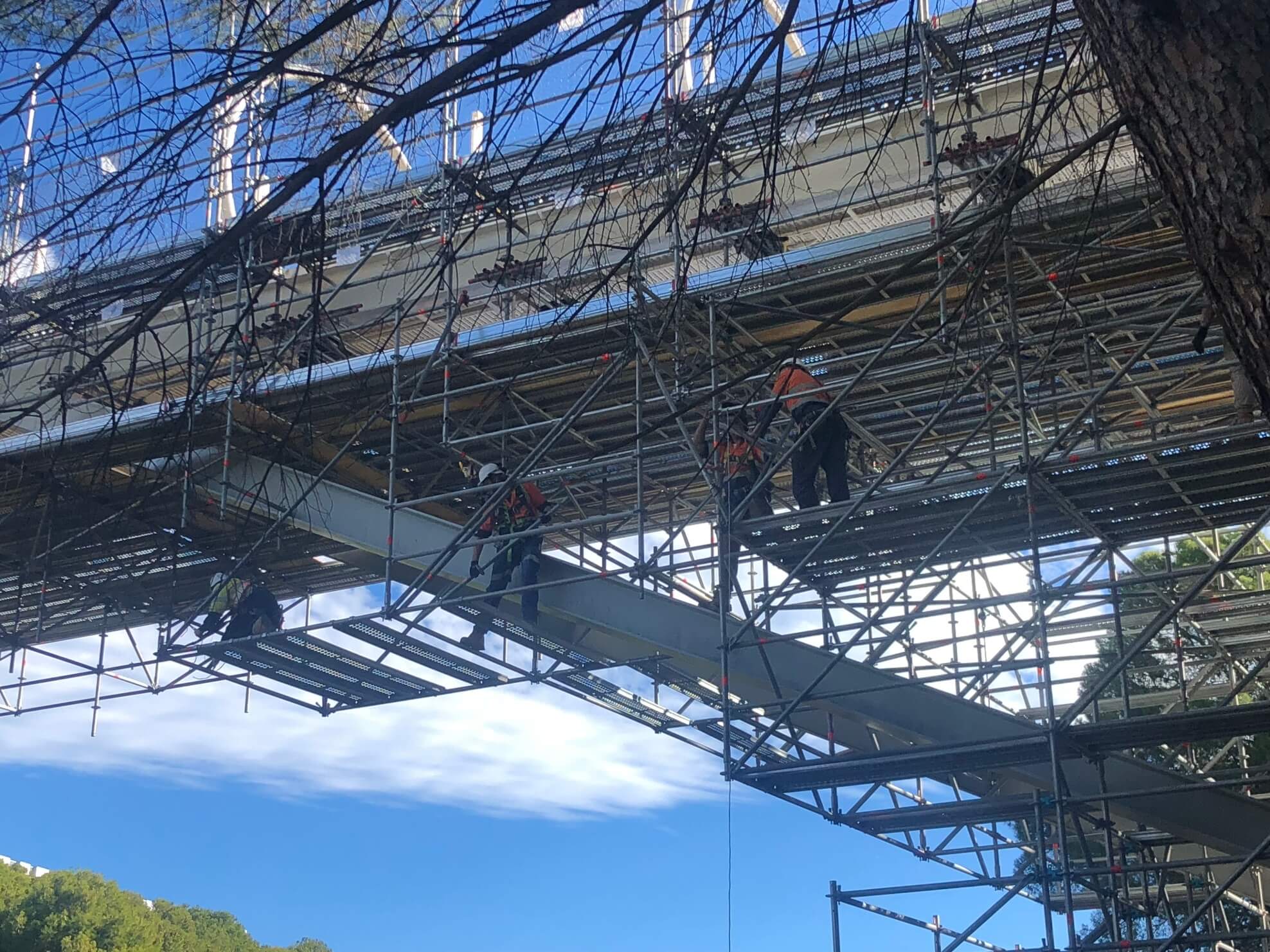
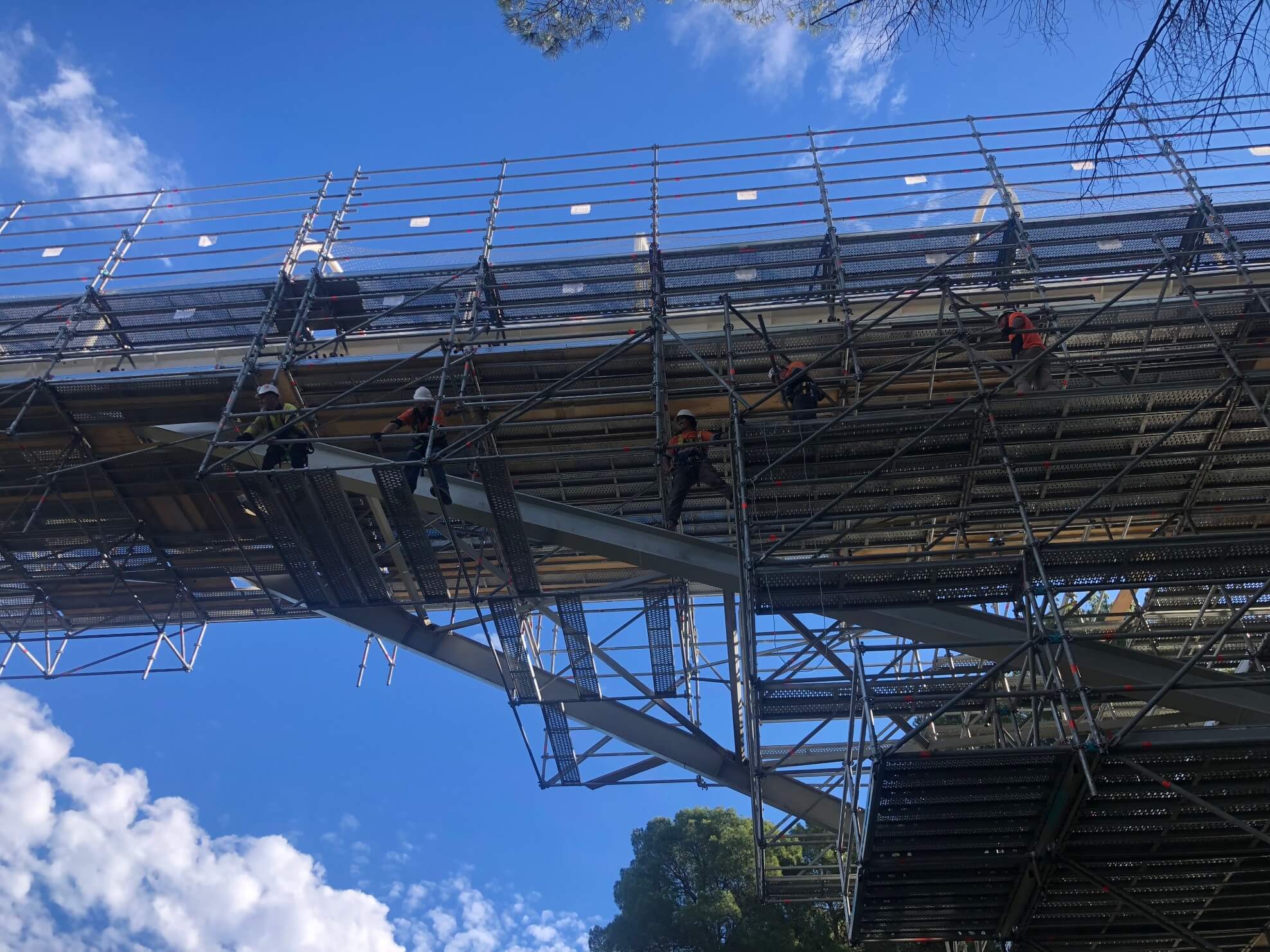
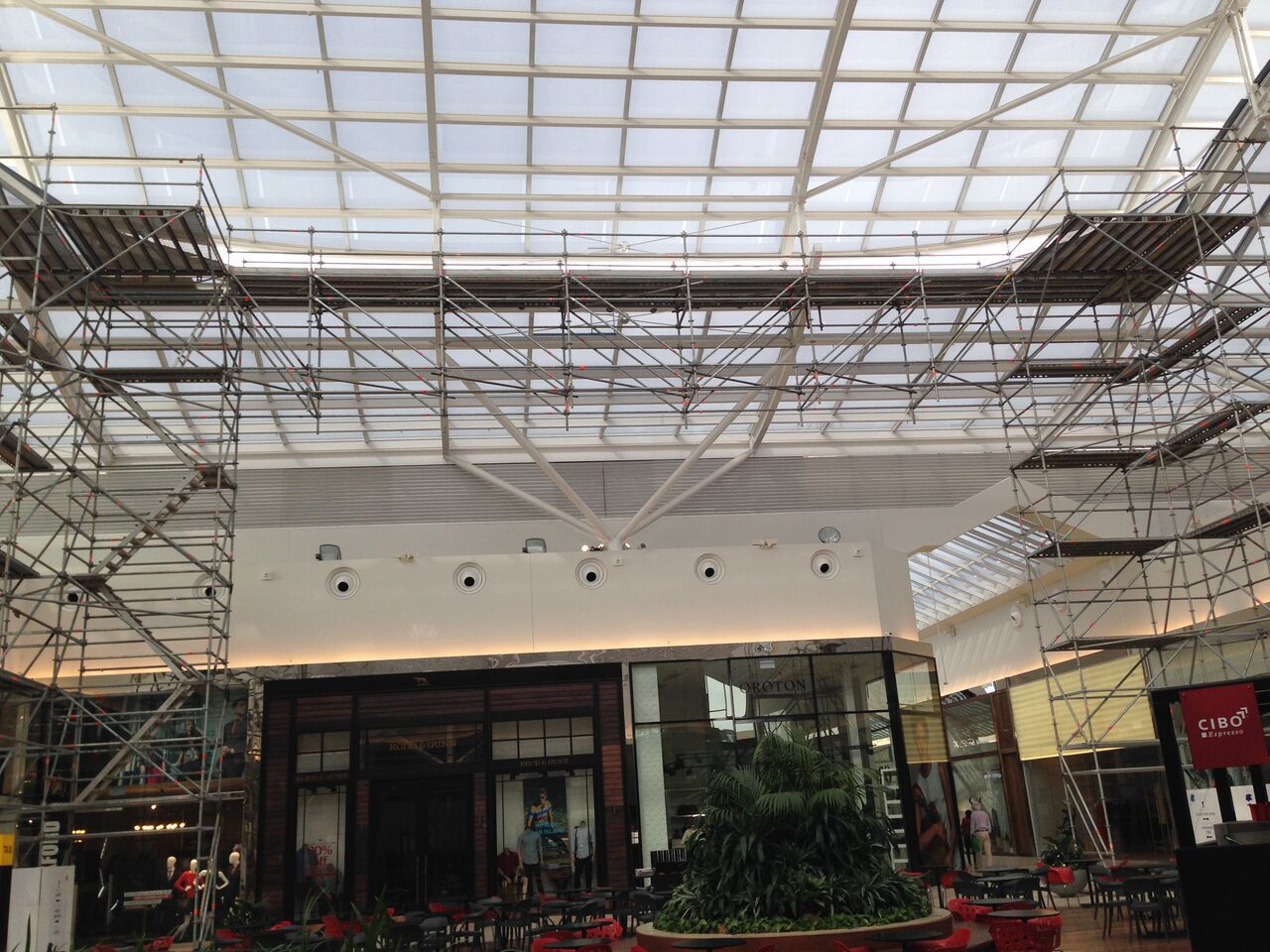

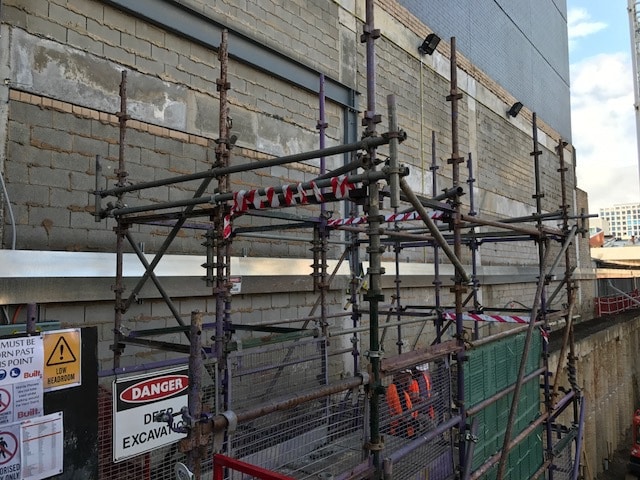
Rubbish Chutes in Adelaide
Multi-level debris removal integrated with your scaffold from day one. GEDA rubbish chutes for standard demolition and refurb, plus scaffold-built chutes for larger demolition jobs. Debris goes straight into the bin at the base, which saves labour on hand-carry, keeps the skip zone contained and clears the working floor faster.
Get a rubbish chute quote or call Epic on 0410 486 750.
When a rubbish chute earns its keep
The economics on debris removal are simple. Every skip that has to be filled by hand-carry down the stairs costs labour hours that show up nowhere in the tender price. Every crane lift that moves rubble instead of new material costs crane hours that eat the margin on the job. And every wheelbarrow trip past a live footpath is a WHS risk that stops the job the moment something goes wrong.
A chute solves all three. Epic runs chutes from 1 to 20 levels, provided the chute can be secured to the structure or the scaffold. Debris drops straight into the bin at the base. No hand-carry, no wheelbarrows past occupied lifts, no crane call for rubble.
Typical jobs:
- Multi-storey demolition and partial demolition
- Refurbishment and strip-out of office towers, apartments and hotels
- Facade re-cladding programmes where the old cladding is coming down
- Roof stripping and replacement on commercial and heritage buildings
- Fit-out demolition where the base building stays operational
Chute systems Epic supplies
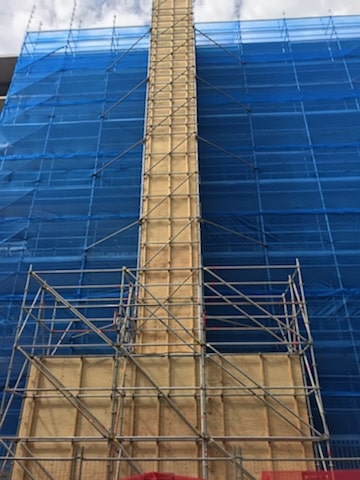
GEDA rubbish chutes. Modular chute sections for standard demolition and refurb. Engineered against the scaffold or the building structure, sized to the debris profile.
Scaffold-built chutes. For larger demolition jobs where a scaffold-built chute is the right answer. Engineered as part of the scaffold design, sized to the debris rate and the discharge zone.
Bins and skips are supplied by the client and cycled by the client’s waste contractor.
Chute specifications
| Spec | Value |
| Systems | GEDA rubbish chutes, plus scaffold-built chutes for demolition |
| Levels served | 1 to 20 (chute must be able to be secured) |
| Bins / skips | Supplied by the client |
| Day-one scaffold integration | Engineered into scaffold drawings at initial build |
| Certification | Certificate of Compliance at install, monthly inspection reports |
| Dust suppression at discharge | Enclosed skip zone, water misting available |
Chute vs alternatives: how to choose
Buyers evaluating debris removal usually run the comparison across four options. This table lays out the trade-offs so you can size the right approach for your job.
| Approach | Cost | Programme impact | WHS profile | Best fit |
| Rubbish chute | Moderate mob + hire | Low, runs continuously | Contained discharge zone | Multi-level, high debris volume, tight programme |
| Hand-carry to ground skip | Low mob, high labour | High, slow, ties up service lift | Wheelbarrow / lift traffic risk | Very low-rise, incidental debris |
| Crane lifts of rubble bins | High per-lift, shared with new material | High if crane is bottleneck | Suspended load risk | New-build with spare crane capacity |
| Skip per floor | High mob per floor, complex logistics | Moderate, needs crane per placement | Skip movement risk between floors | Very staged demolition where full-height chute impractical |
On most multi-level Adelaide refurb and strip-out jobs, the chute wins on cost, programme and WHS at the same time. Day-one integration matters: the alternative to a well-engineered chute is not a cheaper option, it is a slower and more dangerous one.
Hazardous and contaminated debris: what CAN and CANNOT go through the chute
A chute is designed for general demolition debris. Some materials common to refurb and strip-out work should NEVER go through the chute for WHS and EPA reasons.
What CAN go through the chute
- General demolition rubble (masonry, brick, tile, plaster off-cuts)
- Timber off-cuts, framing, joinery, non-hazardous plywood
- Plasterboard and general partition material
- Carpet, underlay, general soft debris
- General fit-out debris (ceiling tiles, non-hazardous insulation, laminate)
- Non-friable timber-and-fixings mixed debris
What CANNOT go through the chute
- Friable asbestos (bagged, wet, handled per SafeWork SA Class A / Class B regime)
- Non-friable asbestos in any quantity that risks breakage on impact
- Lead-painted debris where dust generation is a concern (bagged, controlled removal)
- Sharps and syringe waste (medical fit-out strip-outs)
- Hazardous liquids, sealants in liquid form, adhesive drums
- Compressed gas cylinders or pressure vessels
- Batteries, lamps, ballasts, WEEE (regulated waste stream)
- Contaminated soils or acid sulphate materials
How Epic helps. We work with your PM and demolition contractor at site-visit stage to identify the waste streams likely to come off the job. Where hazardous material is expected, we coordinate the sort protocol so the chute is used correctly and the hazardous stream goes to the licensed removalist through its own controlled path.
Noise compliance for occupied precincts
Chute discharge into a skip generates noise. On occupied-building work in the CBD, in mixed-use precincts, or adjacent to residential, noise compliance is a real constraint managed under the EPA (SA) Environment Protection (Noise) Policy 2007.
Permitted work hours. Standard construction noise hours in Adelaide are 7am to 7pm Monday to Saturday, with restrictions outside those hours. Adelaide City Council and metropolitan councils vary; the client’s PM confirms the permitted window per site.
Mitigation approach.
- Modular chute sections dampen debris impact vs steel chute equivalent
- Enclosed skip zone with hoarding around discharge reduces noise egress to adjacent tenancies
- Timing high-impact debris to permitted hours only
- Where required, engaging an acoustic consultant to run baseline and in-work monitoring
Dust suppression at discharge
Debris hitting a skip generates dust. On occupied-building work, on retail precincts and adjacent to hospitality tenancies, dust management is a compliance and reputational issue. Our standard practice on chute discharge zones:
- Enclosed skip zone. Perimeter hoarding on the discharge side to contain fugitive dust.
- Water misting at discharge. Fine spray at the chute base to knock down dust as debris hits the skip.
- Covered skip transport. Coordinated with the client’s skip supplier so lidded or netted skips leave site.
- Sequenced discharge for dusty material. Timing dust-heavy loads (plasterboard, ceiling tiles) to lower-occupancy windows where tenancies allow.
For hoarding around the discharge zone, see our Perimeter Screens & Hoardings page. Perimeter hoarding around a chute discharge is one of the most common bundles we quote.
Day-one scaffold integration
Most Adelaide chute installations we see on other sites are added late. That means separate mobilisation, separate crane call, separate certifying engineer, and a scaffold that has to be modified to receive the chute after it is already up.
We do not do it that way. When we quote a job with a demolition or strip-out component, the chute tie-in points are engineered into the scaffold drawings from day one. That means one design, one Certificate of Compliance workflow, one team on site, and no rework when the chute goes in.
For facade re-cladding programmes, the standard bundle is facade access scaffold plus rubbish chute plus perimeter hoarding at the discharge. See our Facade Access Scaffolding page for how the re-clad workflow ties together.
Council permits
Council footpath and discharge permits are obtained by the client, not by Epic. Epic engineers the chute and discharge zone to match the permit conditions the client’s PM has secured, and coordinates the skip cycle inside the permitted movement window.
Named project
Old Royal Adelaide Hospital. Rubbish chutes delivered on the demolition programme.
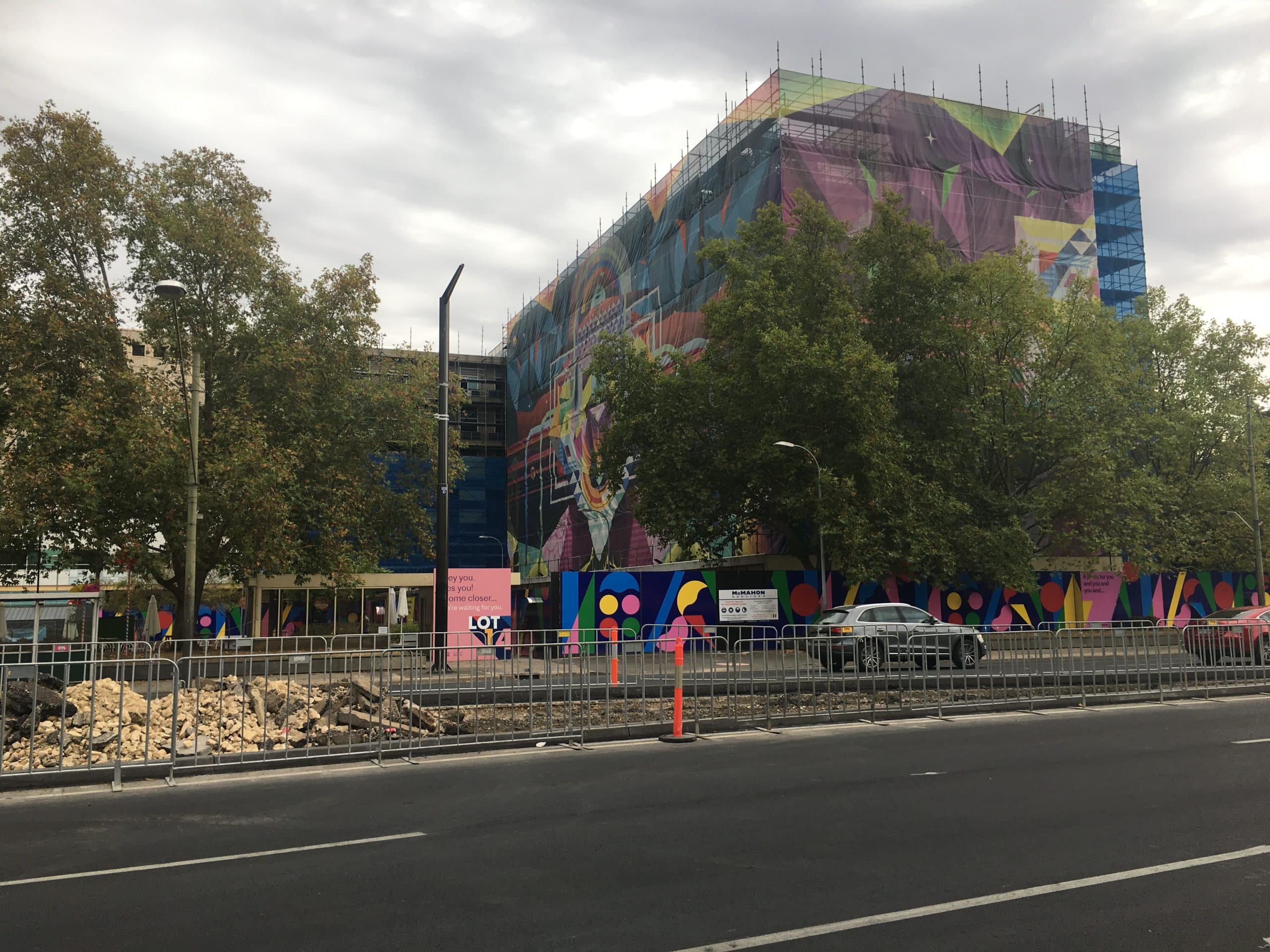
Delivered on the ORAH demolition programme in 2018, in an active CBD precinct with continuous pedestrian and vehicle traffic on Frome Road throughout. The chute programme sat inside a larger scaffold engagement across the site.
Why Epic on rubbish chutes
Engineered into the scaffold at drawing stage. Chute tie-in is designed into the scaffold from day one, not added later. One design, one certification, no rework.
Chute suits 1 to 20 levels. Provided the chute can be secured to the structure or scaffold, Epic runs the same integration approach whether the job is single-level or twenty.
Bin directly at the base. Debris drops straight into the bin, which saves labour on hand-carry and keeps the discharge zone contained.
Waste-stream sort planned upfront. We flag hazardous material to your PM at site visit and coordinate the sort so the chute is used correctly.
Noise and dust managed from the start. Modular chute dampening, enclosed skip discharge and misting reduce complaints from adjacent tenancies before they land.
Prequalification and insurance
- Public and Products Liability: $20M, insurer Sompo Japan Insurance via SURA Liability
- WorkCover Employer: 28107911
- Engineering: certified by DC Engineering (CPEng), Professional Indemnity cover held on the design
- Government work: Epic works for head contractors delivering DIT SA projects and has recently been awarded an SA Water contract. Not OFSC accredited.
- Crew: 2 to 20 depending on the job. Tickets from labourer through to SA-licensed riggers. Working at heights, EWP and confined space tickets typical. Crew hold DCAC cards and SA Water blue cards.
- Compliance standards: Chute installation engineered to AS/NZS 1576 (scaffolding) tie-in requirements. Waste handling coordinated to EPA (SA) waste-stream regulations.
- Certificate of Compliance issued at install, monthly inspection reports for the duration of hire
- SWMS and JSA issued at mobilisation, held for the duration of the works
- Local content: Adelaide-based, SA labour, SA-registered ABN 21612186973. Suitable for IPP submissions on SA Government tenders over $1M.
What a chute engagement looks like
- Site visit and debris profile. We walk the site with your PM or demolition contractor and identify the debris rate, the discharge point, the waste-stream sort, and the client’s skip supply arrangement.
- Engineered drawings. Chute tie-in points designed into the scaffold drawings before mobilisation. Certified by DC Engineering (CPEng).
- Install with the scaffold. Chute installed as the scaffold reaches the required level. Certificate of Compliance issued on completion.
- Reconfigure with the programme. As the working floor moves, we lift or reconfigure the chute to match.
- Dismantle. Coordinated to your programme with the discharge zone maintained clean through dismantle.
Frequently asked questions
How many levels does a chute work for?
Does the chute need a council permit?
Does Epic supply the skip?
Can Epic take contaminated debris through the chute?
What is the noise impact for occupied-building work?
Are there after-hours discharge restrictions we should know about?
How high can a chute go?
Can the chute be added after the scaffold is already up?
What Public Liability does Epic carry for chute installation?
Can Epic quote scaffold, chute and hoardings together?
Is Epic prequalified for SA Government or Commonwealth-funded work?
What compliance does Epic hold on chute installations?
Ready to price this in Adelaide?
Send us the details and we’ll book a site visit inside 48 hours.